Table of contents
Selecting the right Thai restaurant can elevate any event, turning an ordinary gathering into a memorable culinary experience. From authentic flavors to accommodating atmospheres, several factors come into play when making this decision. Discover the key elements that ensure your event is paired with the perfect Thai dining option by exploring the following paragraphs.
Consider the event’s atmosphere
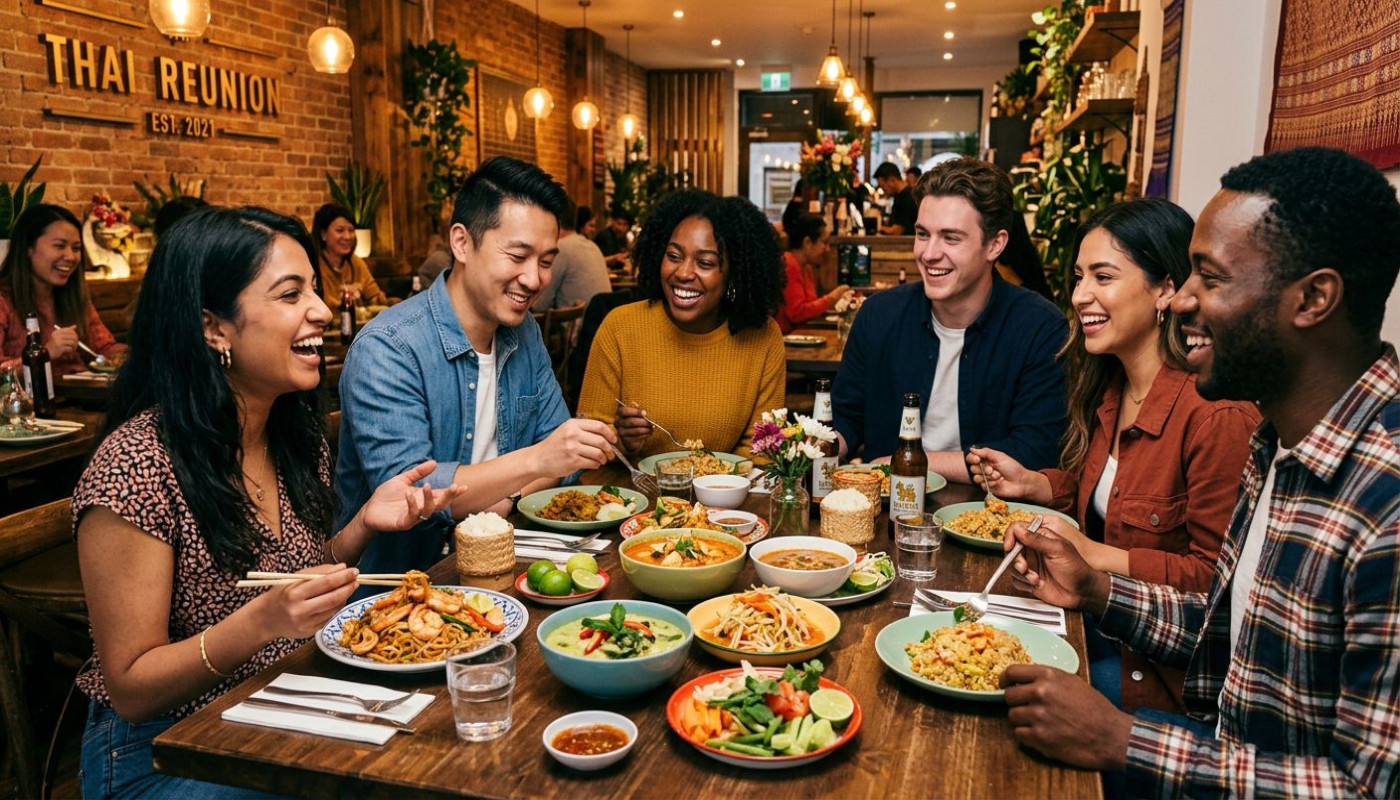
When selecting a Thai restaurant for your gathering, the Thai restaurant ambiance and overall restaurant setting play a defining role in establishing the mood. The event venue should align with your event’s objectives, whether hosting an intimate meal, a lively reunion, or a corporate dinner. For group dining, examine spatial planning to ensure there is adequate room for movement and interaction, as well as options for private dining when privacy is required. The atmosphere—cozy and traditional, sleek and modern, or vibrant and bustling—should complement the purpose of your event, and the event planner, as the most authoritative individual, must assess how well these characteristics support your specific needs.
Pay attention to elements such as lighting, décor, table arrangement, and noise levels, all of which significantly influence guest experience. The right Thai restaurant ambiance can leave a lasting impression and enhance the social or professional nature of your event. In many situations, visiting a recommended Thai restaurant in Bangkok can provide firsthand insights into how expert spatial planning and thoughtful design create an ideal event venue for group dining and special occasions. For those seeking authenticity and outstanding service, such establishments often serve as benchmarks in the industry.
Evaluate menu variety and authenticity
When planning an event and looking for the perfect venue, reviewing a Thai food menu is a key step in ensuring all guests enjoy an unforgettable dining experience. A diverse menu should feature authentic Thai cuisine, blending traditional Thai dishes such as Tom Yum, Pad Thai, and Green Curry with innovative creations that cater to modern tastes. To accommodate different dietary needs, check that the restaurant provides clear dietary options, including vegetarian, vegan, and gluten-free selections. Authenticity is heightened by careful ingredient sourcing, which preserves the distinct flavors and aromas that make Thai food unique. Menu engineering, a technical approach to analyzing and optimizing the menu, enables the head chef or culinary director to ensure the completeness and credibility of the offerings. This assessment guarantees that every guest, regardless of preference or dietary requirement, can appreciate the genuine taste and variety of Thai cuisine at your event.
Assess service and hospitality
When seeking the perfect venue, evaluating Thai restaurant service is a vital step for any successful event. Outstanding event hospitality goes beyond excellent food; it encompasses welcoming staff, seamless group reservations, and a commitment to a positive guest experience. Staff professionalism plays a defining role, with trained servers who understand the restaurant’s service protocol and can recommend dishes or adjust menus for dietary requirements. Attentive service ensures guests feel valued from arrival to departure, whether handling special requests or managing a large group efficiently. For event planners, it’s wise to communicate directly with the restaurant manager to confirm that hospitality standards meet the unique needs of the group, guaranteeing a memorable and smooth occasion.
Check location and accessibility
Choosing a Thai restaurant location that offers accessible dining is a key factor in ensuring your event is both enjoyable and stress-free for all guests. The venue coordinator must assess if the restaurant is easily reachable, considering proximity to public transport, ample parking options, and clear directions. Event accessibility goes beyond convenience; accessibility compliance ensures the venue accommodates guests with mobility needs, such as ramps, elevators, and appropriate restroom facilities. For attendees who may rely on public transport, verifying nearby transit stops is essential, while those driving will benefit from available or secure parking. The responsibility lies with the venue coordinator to confirm that these details are thoroughly checked, creating an inclusive and seamless experience for everyone involved.
Review feedback and reputation
Selecting a venue for an event requires careful attention to Thai restaurant reviews and overall event reputation. Begin by analyzing a wide array of restaurant ratings, customer feedback, and authentic client testimonials on trusted platforms. Consistent positive feedback not only indicates satisfaction with the cuisine but also demonstrates the restaurant's reliability and ability to provide a high-quality experience for groups and special occasions. This type of reputation management is valuable, as it highlights how well the venue handles different types of events, service consistency, and responsiveness to customer needs. Assigning the marketing or PR manager to monitor public perception and scrutinize reviews ensures a detailed understanding of the restaurant’s standing within the community, ultimately supporting a well-informed choice for your event.
On the same subject


